
与 Ava 聊天 - 您的人工智能业务顾问

大家好,我是 Ava,您的 AI 指南,可帮助您增强业务!
无论您已经在经营一家企业还是梦想创办一家企业,我们都会用AI赋能威客帮助您将愿景变为现实。分享您的业务目标,我们将共同创建一个项目,供我们才华横溢的威客竞标。让我们让您的愿景成为现实!
我已经有一份事业
我要创业
将对话发送到您的电子邮件时出现问题。请稍后再试。
您每小时只能保存一次对话。请稍后再试。
你们的谈话太短了。继续与 Ava 聊天以启用保存功能。

招聘专家
Google Cardboard Developers
来进行各种工作
成千上万名用户使用Freelancer.com实现了他们的梦想。
受到知名品牌和初创公司的信任


雇佣Google Cardboard Developers



$10每小时

$15每小时

$40每小时


₹25每小时

₹20每小时

$20每小时

₹35每小时


₹25每小时
客户给我们的Google Cardboard Developers打分
4.6分,共5分
来自1,887个评论
如何雇佣一名优秀的威客Google Cardboard Developer
What is Google Cardboard? The initial answer might sound a little underwhelming—it’s a cardboard image viewer. The lenses placed in the eyeholes are very similar to what you might have had in the View Master you used to use as a child.
It’s not the helmet itself, but the technology it enables that makes Google Cardboard worth talking about. By placing a compatible smartphone into the front of the headset, you’ve created a low-cost virtual reality headset! While far from a finished project, Google released Cardboard in 2014 for the purpose of generating interest in virtual reality and providing developers with a platform to create virtual reality applications.
The successful completion of a Google Cardboard project requires a working knowledge of Objective C, Java or C# depending on which mobile platform you are developing for. Does that sound like something you would be comfortable working on?
As an industry outsider unfamiliar with Google Cardboard and virtual reality, the learning curve may seem steep and lead to significant frustration as well as setbacks preventing the final completion of your Google Cardboard project. The simple solution? Hire a Google Cardboard expert.
Freelancer.com is the perfect place to crowdsource your virtual reality application development. The incredible programming talent found on Freelancer.com will make your Google Cardboard app sparkle and shine, showing off all of the potential that Google Cardboard and virtual reality have to offer.
A public project is a great way to get your project started on Freelancer. Write a detailed description of your project outlining your objectives and expectations and wait for the competitive bids to roll in! Posting a public project on Freelancer is free and a great way to get your feet wet in the world of virtual reality and mobile application development.
If you have any other specific set of skills or experience you’re looking for in a freelancer, give the Freelancer Directory a try. Using the directory, you can search for a freelancer using a number of criteria to filter through the thousands of talented Google Cardboard experts available for hire on Freelancer. Once you find a freelancer that you are interested in, take a look at their profile. Browse through their portfolios and reviews to help you make your final decision. Once you decide, you can even make the freelancer an offer directly from their profile!
Still having trouble deciding on the perfect freelancer for your Google Cardboard-related task? We understand. There’s a lot of great freelancers out there! Thankfully, the Preferred Freelancer Program has identified the top freelancers with virtual reality experience on the site and made them available to you via our Talent Recruiters. These recruiters will contact the site’s top talent and ask them to consider placing a bid on your project. Instantly gain access to competitive bids from the site’s top talent and get advice from our helpful recruiters. They’re sure to make your next project a huge success!
Freelancer.com has made finding a Google Cardboard expert easier than ever, so don’t wait! Hire an Arduino expert on Freelancer today!

Freelancer企业
企业预算?花费更少,赢得更多
用我们五千万的劳动力助力您的事业获得更大成就。

Freelancer API
五千万专业人士随时待命
如果您可以简单地整合我们优秀的云计算员工,为什么还要雇佣他人呢?
如何聘用一名Google Cardboard Developer进行工作

1. 发布工作

2. 选择一名威客

3. 追踪进程

4. 安全支付
那你还在等什么?
今天发布一个项目,从有才华的威客们那里获得竞标
展示来自我们威客的作品
从Google Cardboard项目中获得灵感

发现更多
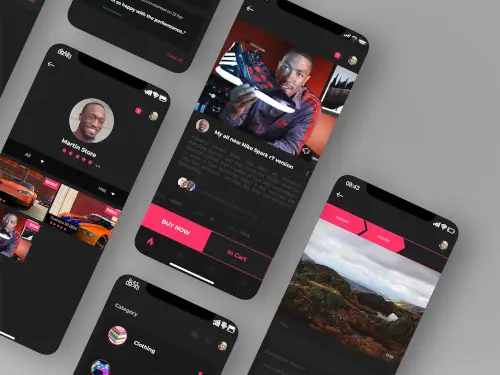
网站设计。
7天内540美元。
发现更多
App设计。
1天内$100美元。

发现更多
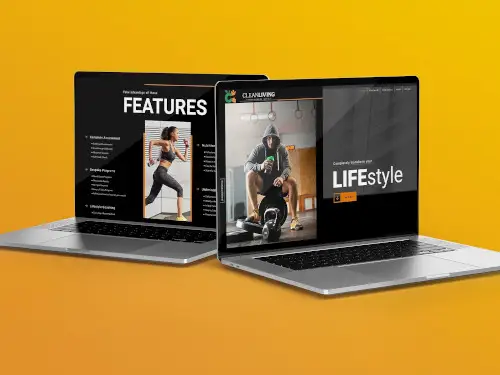
网站。
1天内430美元。
发现更多
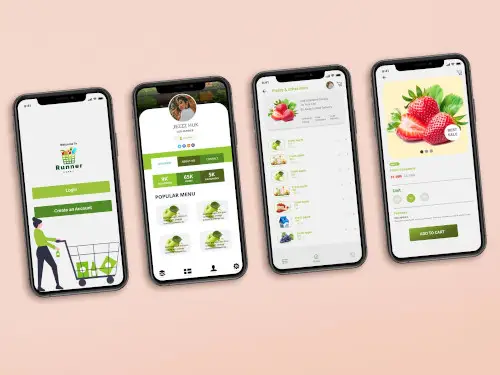
网站设计。
13天内140美元。
发现更多
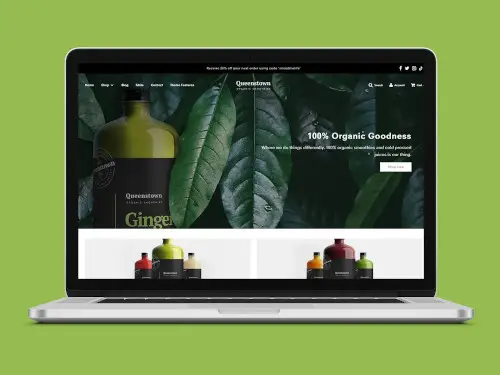
App设计。
19天内200美元。
发现更多
网站。
13天内150美元。
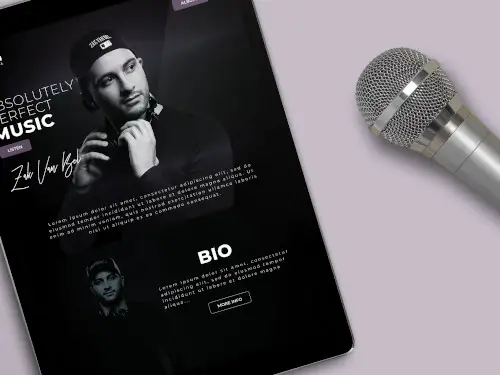
发现更多
网站。
1天内240美元。
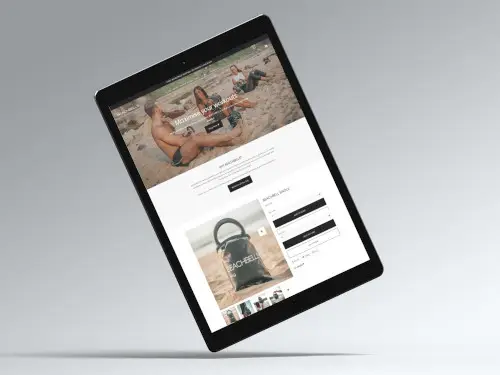
发现更多
网站。
1天内$100美元。
被用于


世界最大的市场
数以百万计的用户,从小型企业到大型企业,从企业家到初创企业,使用Freelancer将他们的梦想实现。
72.7百万
72.7百万
注册用户
23.6百万
23.6百万
发布工作总数
为其他类型的工作寻找威客?
谢谢!我们已通过电子邮件向您发送了索取免费积分的链接。
发送电子邮件时出现问题。请再试一次。



加载预览
授予地理位置权限。
您的登录会话已过期而且您已经登出,请再次登录。