
与 Ava 聊天 - 您的人工智能业务顾问

大家好,我是 Ava,您的 AI 指南,可帮助您增强业务!
无论您已经在经营一家企业还是梦想创办一家企业,我们都会用AI赋能威客帮助您将愿景变为现实。分享您的业务目标,我们将共同创建一个项目,供我们才华横溢的威客竞标。让我们让您的愿景成为现实!
我已经有一份事业
我要创业
将对话发送到您的电子邮件时出现问题。请稍后再试。
您每小时只能保存一次对话。请稍后再试。
你们的谈话太短了。继续与 Ava 聊天以启用保存功能。

招聘专家
Assembly Developers
来进行各种工作
成千上万名用户使用Freelancer.com实现了他们的梦想。
受到知名品牌和初创公司的信任


雇佣Assembly Developers


$25每小时



₹25每小时


₹60每小时

$25每小时

$12每小时


$50每小时

$35每小时

₹20每小时
客户给我们的Assembly Developers打分
4.85分,共5分
来自15,951个评论
如何雇佣一名优秀的威客Assembly Developer
Assembly language, or ASM as it is often abbreviated, is a specialized language used in computer programming. Assembly is a collection of languages rather than a single language, and it is also commonly referred to as assembly code.
While assembly is considered one of the more basic computer programming languages by those in the industry, that doesn’t mean that an untrained novice could take up your assembly project and run with it, assembly is still a highly technical computing language and if your project requires those skills then hiring through Freelancer.com will provide you with the highest guarantee that the task will be completed successfully and with competence.
Assembly describes the process of converting a language into a format that can be understood by a device and while it is considered a basic language if you are a professional in the field, to somebody not completely competent in computer programming it is intricate and sophisticated and requires an expert to carry out your task efficiently.
Whether you are a looking for someone with assembly skills or you are qualified in ASM and looking for your next role there are many benefits of using Freelancer.com.
If you are looking for your next assembly role then registering with Freelancer.com will give you access to hundreds of people who are looking for the industry specific assembly skills that you possess. You will be able to gain experience and further enhance your ASM skills and choose the projects that you want to work on rather than being directed to your next task by a permanent employer.
More often than not, those that require the skills of a freelancer will also request that you work from home which means that you have the freedom to work around your day to day life and still get paid to do so. By registering your skills and services at Freelancer.com, you will be able to choose the job and company that you are interested in, dictate your salary and enhance your skills in the process.
If you are looking for an assembly expert, choosing an ASM programmer from Freelancer.com means that you can select the best in the industry. You are under no obligation to interview and recruit for a permanent position, and Freelancer.com gives you the opportunity to ‘try before you buy’.
If you are looking for a permanent employee for your company, you can sample the skills of an ASM expert and decide if they are suitable and if they’re a good cultural fit for your organization before hiring permanently. More often than not, in an interview situation people will make promises that they are unable to deliver on but hiring through Freelancer.com eliminates that risk entirely.
Whether you are looking to hire someone with specific experience in ASM or you have assembly skills and are looking for your next project, Freelancer.com provides an avenue for both requirements to be met. A budget and a timeframe will be agreed in advance which means that both parties can plan financially and understand the timespan involved in the project. If it is suited to both parties then work can continue once the project is complete but if not, there is no obligation on either side to continue with the relationship.
Post a project on Freelancer.com today to see how you can have the freedom you deserve in your next assembly programming task.

Freelancer企业
企业预算?花费更少,赢得更多
用我们五千万的劳动力助力您的事业获得更大成就。

Freelancer API
五千万专业人士随时待命
如果您可以简单地整合我们优秀的云计算员工,为什么还要雇佣他人呢?
如何聘用一名Assembly Developer进行工作

1. 发布工作

2. 选择一名威客

3. 追踪进程

4. 安全支付
那你还在等什么?
今天发布一个项目,从有才华的威客们那里获得竞标
展示来自我们威客的作品
从Assembly项目中获得灵感

发现更多
网站设计。
7天内540美元。
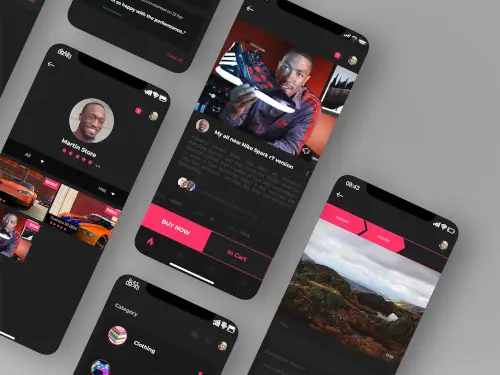
发现更多
App设计。
1天内$100美元。

发现更多
网站。
1天内430美元。

发现更多
网站设计。
13天内140美元。

发现更多
App设计。
19天内200美元。
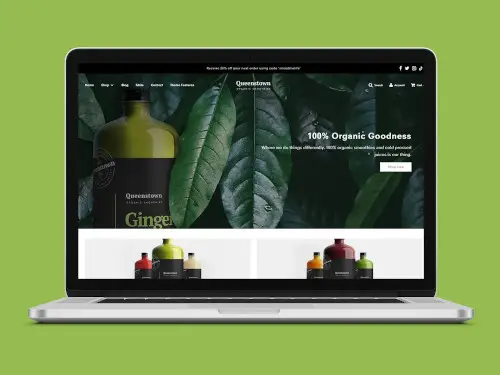
发现更多
网站。
13天内150美元。

发现更多
网站。
1天内240美元。
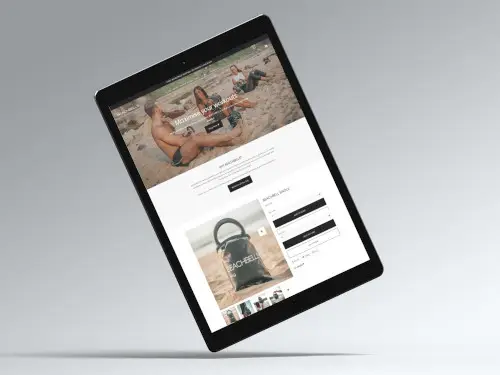
发现更多
网站。
1天内$100美元。
被用于


世界最大的市场
数以百万计的用户,从小型企业到大型企业,从企业家到初创企业,使用Freelancer将他们的梦想实现。
73.1百万
73.1百万
注册用户
23.7百万
23.7百万
发布工作总数
为其他类型的工作寻找威客?
谢谢!我们已通过电子邮件向您发送了索取免费积分的链接。
发送电子邮件时出现问题。请再试一次。



加载预览
授予地理位置权限。
您的登录会话已过期而且您已经登出,请再次登录。