
受到知名品牌和初创公司的信任


免费发布您的项目,对接娴熟的威客,他们今天就能开工。查看竞标方案、评分和作品集,满意后再付款。
~7 分钟
即可收到首个竞标
38+
个竞标/项目
8k+
威客在线
无需预付 · 满意后付款

6.2
6.2
100%

cairo, Egypt
$50 USD 每小时

2.7
2.7
100%

Buyukcekmece, Turkey
$40 USD 每小时

2.3
2.3
100%

Bhavnagar, India
$50 USD 每小时

2.3
2.3
100%
BEHEIRA, Egypt
$15 USD 每小时
A rocket engine scientist is a propulsion specialist who designs, analyzes, and tests the engines that power launch vehicles, spacecraft, and missile systems using chemical, electric, or hybrid propulsion principles. Hiring a freelance rocket engine scientist gives aerospace startups, research labs, and defense contractors direct access to deep expertise in combustion, fluid dynamics, and propellant chemistry without the overhead of a full-time R&D hire. The work spans concept studies, CFD simulations, nozzle design, hot-fire test planning, and propulsion system integration for liquid, solid, and hybrid engines.
Rocket propulsion is one of the most technically demanding engineering disciplines, and a freelance rocket engine scientist brings specialized knowledge that accelerates development cycles. They translate mission requirements into engine architectures, run trade studies on propellant combinations, and produce the analytical work needed to support design reviews and investor milestones.
Typical deliverables include thermodynamic cycle analyses, injector and combustion chamber designs, regenerative cooling models, nozzle contour optimization, performance prediction reports, and test campaign documentation. For early-stage propulsion startups, this expertise is often the difference between a paper engine and one that survives a hot-fire test.
A working propulsion engineer relies on a defined toolchain. Look for proficiency in NASA CEA and Rocket Propulsion Analysis (RPA) for thermochemistry, ANSYS Fluent or OpenFOAM for CFD, ANSYS Mechanical or Abaqus for structural analysis, and MATLAB or Python for performance modelling and data reduction. CAD work is typically handled in SolidWorks, Siemens NX, or Creo, with PDM systems used for revision control on flight hardware.
Methodologies include the standard NASA technology readiness level framework, GSFC-style design reviews (SRR, PDR, CDR), AIAA propulsion design practices, and verification protocols aligned with ECSS or MIL-STD requirements depending on the customer base. Familiarity with ITAR and export control compliance is critical when the work touches launch vehicles or defense applications.
This is a credentials-heavy field. Strong candidates typically hold a graduate degree in aerospace, mechanical, or chemical engineering with a propulsion focus, and have hands-on experience with hot-fire testing rather than purely academic backgrounds. Look for portfolio evidence of completed test campaigns, published performance data, peer-reviewed papers, or AIAA conference presentations.
Assess tool proficiency directly. Ask to see CEA output files, CFD case setups, or sample design reports with sensitivity studies. Verify they understand the failure modes that matter at scale: combustion instability, injector face burnout, turbopump cavitation, and chamber wall degradation.
Sample interview questions you can use:
Rocket engine projects rarely sit in isolation. Clients frequently combine a propulsion scientist with adjacent specialists in aerospace structural engineering, GNC and flight dynamics, avionics, cryogenic systems design, additive manufacturing engineers experienced in printed combustion chambers, and materials scientists for high-temperature alloys and ablatives. Building a small multidisciplinary team through Freelancer.com is a practical way to assemble the breadth needed for a flight-quality design.
Freelancer.com gives you access to a global pool of propulsion engineers, former national lab researchers, and aerospace PhDs who take on independent contracts between roles or alongside academic work. The marketplace scale means you can find specialists in narrow sub-disciplines such as electric propulsion, hybrid regression modelling, or turbopump design that would be difficult to source through conventional recruiting.
Clients set their own budgets and receive competitive bids, with profile evidence, ratings, and portfolio samples available before any commitment. Milestone Payments hold funds securely and release them only as agreed deliverables are completed, which is particularly valuable on long propulsion design cycles. The freelancers on Freelancer.com cover every major time zone, so simulation runs and analysis reports can progress around the clock.
Whether you need a quick performance analysis, a full engine preliminary design, or ongoing propulsion support through a hot-fire campaign, the right specialist is available to hire on Freelancer.com.
Hiring a propulsion specialist is different from hiring generalist engineering talent because the brief itself signals whether you understand the work. The clearer your technical scope, the better the bids you will attract from genuinely qualified rocket engine scientists. The process below walks through posting, reviewing, and awarding the project.
The project post is the single biggest determinant of bid quality. A vague brief attracts generalists, while a precise propulsion brief filters for candidates with real engine experience. Head to the
Bids on a propulsion project are short technical proposals, not just price quotes. They reveal how each freelancer interprets the brief, what assumptions they are making, and whether their proposed approach is realistic. Read carefully and shortlist candidates whose technical framing matches the engineering reality of your project.
The final decision combines proposal quality with profile evidence. For propulsion work, weigh consistency of completed technical projects, depth of relevant analysis samples, and verified credentials more heavily than a single impressive headline project. Past client reviews from aerospace engagements are particularly telling.
A preliminary engine concept study with thermochemistry, cycle analysis, and a sized chamber might take a few weeks. A full preliminary design with CFD, structural analysis, and a test plan generally runs several months, while supporting a development engine through hot-fire testing is a multi-quarter engagement.
Yes. Many clients post short engagements for tasks like an independent CEA performance check, a CFD simulation of a specific injector, a peer review of a PDR package, or a technical due diligence report for investors. These focused scopes are well suited to freelance propulsion engineers.
Aerospace engineering is a broad field covering aerodynamics, structures, avionics, and systems integration. A rocket engine scientist is a propulsion specialist focused specifically on engine thermodynamics, combustion, fluid dynamics, and propulsion system design. For engine work, hire the specialist.
If your project involves launch vehicles, missile-class propulsion, or US-origin technical data, ITAR and EAR rules likely apply. Discuss compliance requirements during the bidding stage, confirm the freelancer's nationality and location, and put appropriate NDAs and export control clauses in place before sharing controlled technical data.
For focused analysis, design tasks, or peer review, a freelance propulsion specialist is often faster and more cost-effective. For full vehicle development with hardware fabrication, integration, and certification, you may need a firm — but freelancers can still augment in-house teams on specific propulsion subsystems.






今天发布一个项目,从有才华的威客们那里获得竞标
从Rocket Engine项目中获得一些灵感
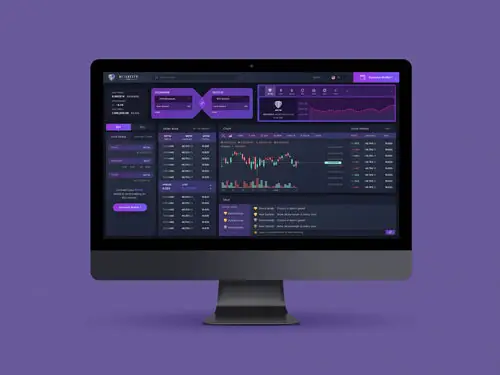
网站设计。
7天内540美元。

App设计。
1天内$100美元。

网站。
1天内430美元。

网站设计。
13天内140美元。

App设计。
19天内200美元。

网站。
13天内150美元。

网站。
1天内240美元。

网站。
1天内$100美元。


数百万名用户,从小型公司到大型企业,从企业家到初创公司,都在用Freelancer将他们的想法变成现实。
90.7百万
90.7百万
注册用户
25.9百万
25.9百万
发布工作总数
威客
关于
条款
合伙人
应用程序